
Asphalt paving
Have you ever gone for a walk or drive and thought, “Man, I wish the streets were smoother…”? Well, if you have (who hasn’t?) you’ll be glad to know that asphalt paving is a widely used material for pavement construction. In fact, asphalt is one of the most commonly used materials in the world today! Asphalt paving is a popular pavement material that is used for roads, parking lots, driveways and more. Asphalt paving has been around for decades and it’s still going strong because it’s durable, affordable and easy to install.
A Brief History of Asphalt Paving
The history of asphalt paving stretches back to ancient times. The Romans used a thick, sticky substance called bitumen as a waterproofing agent in their roads and buildings. Bitumen was mined from the Dead Sea area and brought to Rome for use in construction projects.
The first modern-day asphalt paving occurred in France during the late 1700s. . Asphalt was introduced to the United States in the 1800s as a paving material, but it wasn’t until 1907 that it became widely used as such.
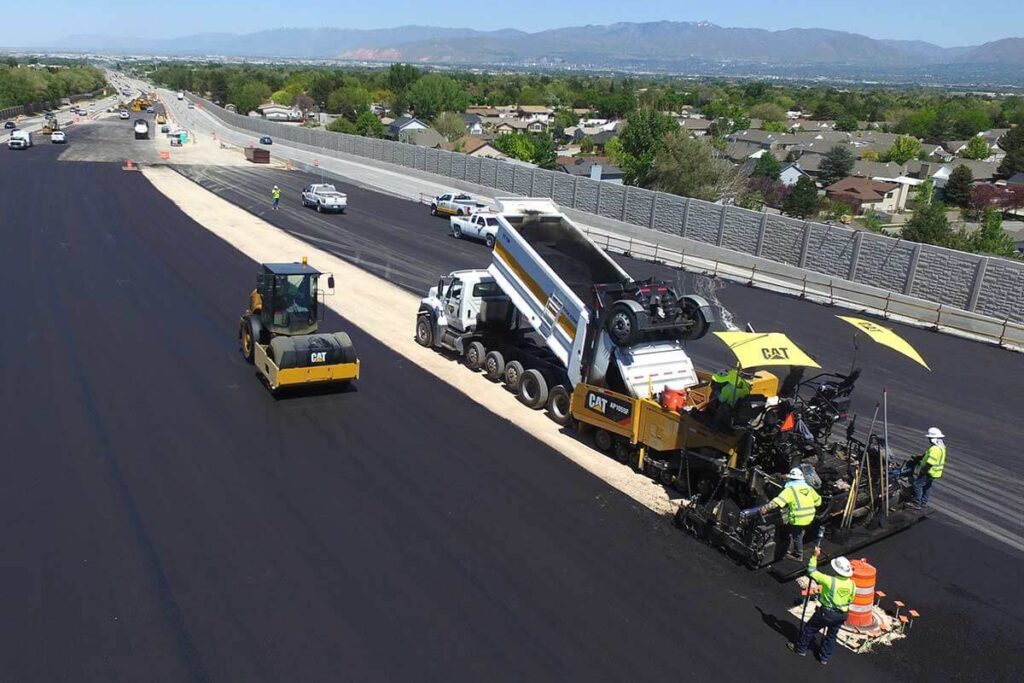
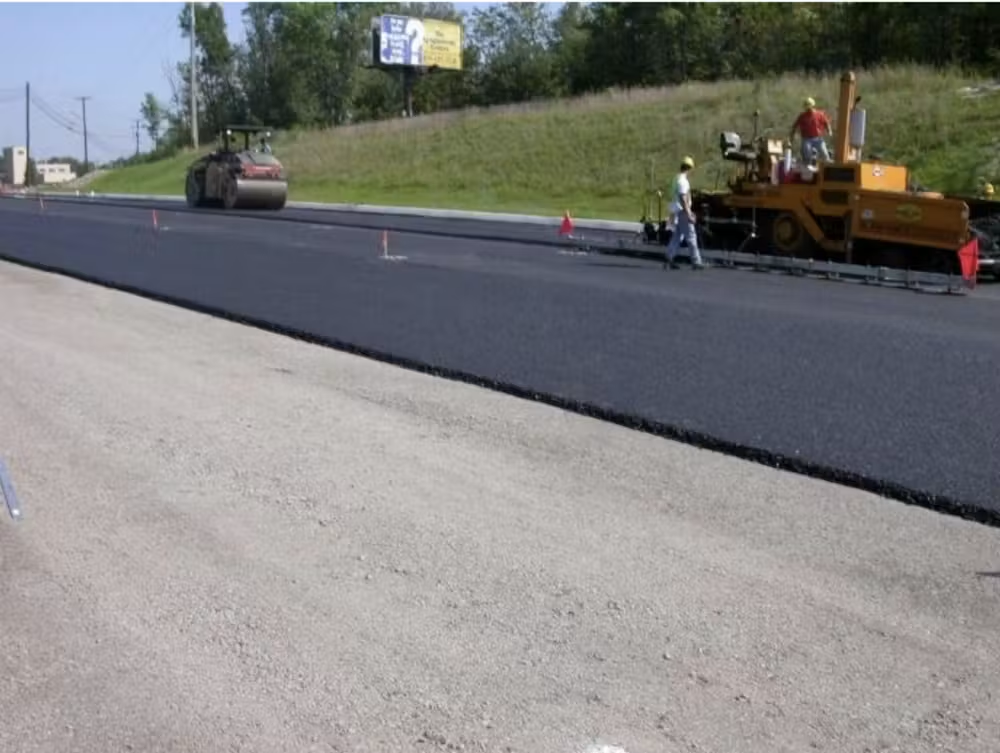
Our Asphalt Paving Services
The Importance of Asphalt Paving
Asphalt paving is one of the most popular pavement surfaces today. It is not surprising that you may be interested in learning more about asphalt paving and its benefits. Here are some reasons why asphalt paving has become so popular:
- It is easy to install. Asphalt pavers have been designed to make installation quick and easy, so even if you are not an expert, you can still do it yourself.
- It is cost-effective. Asphalt paving is less expensive than other materials such as concrete or brick, so it makes sense that more people would opt for this material instead of others when they want to pave their driveway or other areas in their homes or businesses.
- It looks good on any type of property. Whether your home is made out of brick, stone or wood, asphalt will complement these types of materials beautifully because it comes in many colors and styles that match any type of property design perfectly.
- Its low-maintenance. Once you have an asphalt driveway installed, you’ll only need to sweep or power-wash it occasionally to keep it free of debris and dirt. Asphalt doesn’t require regular sealing or staining, which means that you won’t have to spend time and money on upkeep tasks.
- it’s environmentally friendly. Asphalt is composed of natural materials like sand and gravel, so it doesn’t use any synthetic chemicals during manufacturing or installation processes. This makes asphalt paving an eco-friendly option when compared with other paving materials such as concrete or brick pavers.
Experience and Quality You Can Trust
Choosing the right paving contractor matters. At N Stanley Paving & Excavating, we combine 25+ years of experience, dependable service, and quality workmanship to deliver results you can count on. Here’s what sets us apart:
FAQs
Asphalt paving is the process of laying a smooth and durable asphalt surface, typically on roads, driveways, parking lots, or pathways, using a combination of asphalt cement and aggregates.
The lifespan of an asphalt pavement can vary based on factors like usage, climate, and maintenance. Generally, well-constructed asphalt can last 20 years or more with proper care.
Cracks and potholes in asphalt can result from various factors, including water infiltration, freeze-thaw cycles, heavy traffic, UV exposure, and aging. Proper maintenance and timely repairs help prevent these issues.
Asphalt uses a mixture of asphalt cement and aggregates, providing flexibility and durability. Concrete, on the other hand, uses cement, sand, and aggregates, offering strength but less flexibility. Asphalt is often preferred for its cost-effectiveness and adaptability.
Regular maintenance includes cleaning debris, sealing cracks, and addressing minor repairs promptly.